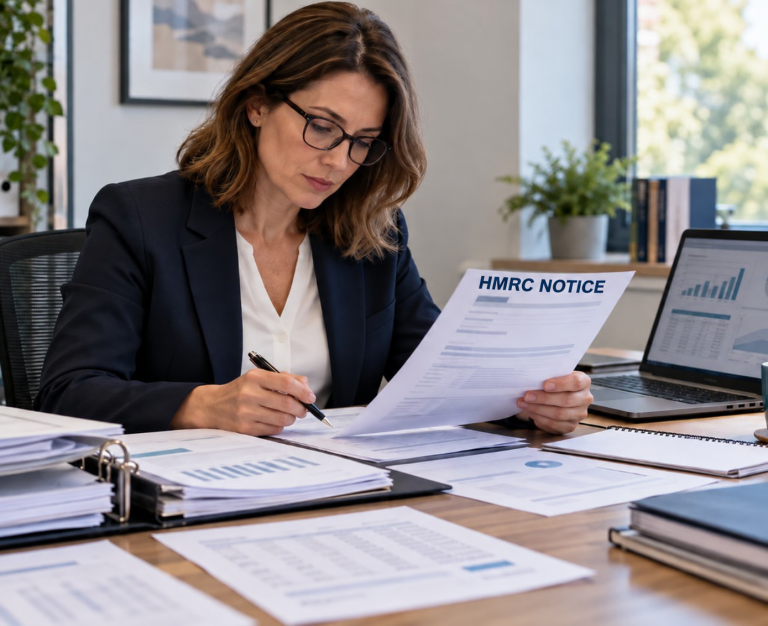


In practice, people often discover the issue only after receiving an HMRC letter, penalty notice, or request for outstanding tax returns.
Although this can feel stressful, failing to register does not automatically mean serious enforcement action will follow.
From our experience, most cases can still be resolved effectively where taxpayers take prompt and structured action.
When Do You Need to Register for Self Assessment?
HMRC requires individuals to register for Self Assessment where they receive income that is not fully taxed at source.
Common situations include:
- Self-employment or freelance income
- Rental property income
- Foreign income
- Company director income
- Significant investment income
- Capital gains tax liabilities
- High income child benefit charges
The obligation to register depends on the nature and level of income received.
Many individuals are unaware that PAYE employment does not always remove the need to file tax returns.
What Happens If You Don’t Register?
Where HMRC believes a taxpayer should have registered but failed to do so, it may begin a compliance process.
This can involve:
- Requests to submit outstanding tax returns
- Late filing penalties
- Interest on unpaid tax
- Estimated assessments
- Compliance checks or enquiries
In many cases, the issue becomes more expensive over time due to accumulated penalties and interest rather than the original tax liability itself.
Does HMRC Treat Failure to Register as Deliberate?
Not necessarily.
HMRC will usually consider the surrounding circumstances and behaviour.
Important factors may include:
- Whether the failure was accidental
- How long the position remained unresolved
- Whether the taxpayer engaged voluntarily
- Whether accurate information is provided promptly
From our experience, taxpayers who come forward voluntarily are generally viewed more favourably than those who continue to ignore the issue.
Why This Situation Happens So Often
In practice, many individuals simply do not realise they have crossed into Self Assessment obligations.
This is especially common where:
- Freelance work begins alongside employment
- Small amounts of side income gradually increase
- Online trading or digital income develops over time
- Property income starts unexpectedly
We frequently speak with clients who believed HMRC would automatically contact them if registration was required.
However, responsibility for registration generally remains with the taxpayer.
What You Should Do If You Have Not Registered
Taking early action can significantly reduce risk and financial exposure.
A practical approach includes:
- Identifying when the registration requirement first arose
- Reviewing all untaxed income received
- Registering for Self Assessment as soon as possible
- Preparing any outstanding tax returns
- Engaging with HMRC proactively
In our experience, structured voluntary disclosure usually leads to better outcomes than waiting for HMRC intervention.
Can Penalties Be Reduced?
In some circumstances, yes.
HMRC may consider reducing penalties where:
- The taxpayer cooperates fully
- Disclosure is made voluntarily
- Records are provided accurately
- There is evidence of genuine misunderstanding
The quality and timing of engagement often have a significant impact on the outcome.
Is It Too Late to Fix the Situation?
In most cases, no.
Even where registration should have occurred several years earlier, it is usually still possible to:
- Register correctly
- Submit overdue returns
- Correct tax liabilities
- Agree payment arrangements if necessary
Once the position is addressed properly, many cases become far more manageable than taxpayers initially expect.
💡 Key Takeaway
Failing to register for Self Assessment does not automatically mean serious enforcement action.
However, delaying action can increase penalties, interest, and HMRC scrutiny.
Early voluntary engagement and accurate disclosure generally provide the best route towards resolving the issue.
If you believe you should have registered for Self Assessment but have not yet done so, addressing the situation early can significantly reduce financial and compliance risks.
Understanding your obligations and taking structured action are often the most important first steps.
For regular updates, you can follow our company page on LinkedIn, or explore our in-depth visual guides shared via our director’s profile.
https://www.linkedin.com/company/109788050 https://www.linkedin.com/in/seandavern26